Perth County does not behave like a Toronto suburb, and that is precisely why development decisions here live or die on careful valuation. Land that looks flat and simple on a map often sits behind a thicket of servicing constraints, conservation limits, and a small but fast-moving pool of local buyers. For investors, builders, lenders, and owners, the work of commercial land appraisers in Perth County is not just a compliance exercise. It is a way to see the development path clearly, measure risk in dollars, and decide whether to move, wait, or walk.
Where valuation meets planning on the ground
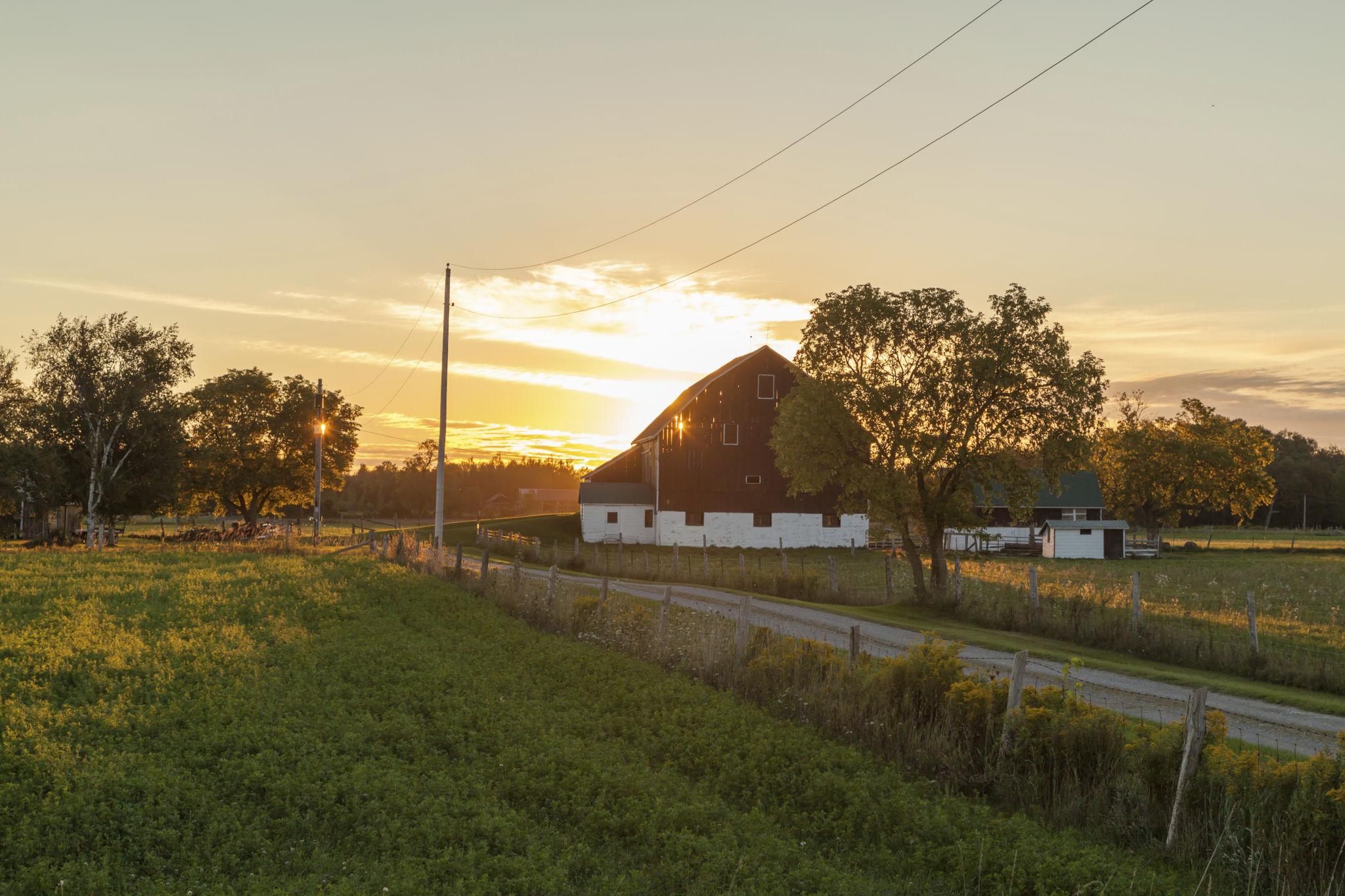
Across Stratford, St. Marys, Listowel, and the townships of Perth East, West Perth, and Perth South, parcels that read as “development ready” rarely arrive with a bow. Some fall within settlement areas on paper, but require off-site upgrades before a single footing can be poured. Others have frontage on a county road that looks decisive, yet lack sufficient sight lines for a new access. Many sit within regulated areas of the Upper Thames or Grand River conservation authorities where floodplain, wetlands, or species habitat set the buildable envelope before a survey crew stakes it.
Appraisers tie all those specifics to market behavior. We answer the question buyers quietly ask during due diligence: how much land is really developable here, for what uses, and at what pace. When you hear phrases like “commercial building appraisal Perth County” or “commercial land appraisers Perth County,” the best of those practitioners go past the three classic approaches to value. They dig into the phasing, infrastructure timing, and institutional context that move the pro forma needle.
Highest and best use is not a slogan
Every credible appraisal starts with highest and best use, tested in four steps. Legal permissibility, physical possibility, financial feasibility, and maximum productivity. In places like North Perth, that sequence is not theoretical. Zoning might allow a mix of light industrial and service commercial, yet the lot depth, turning radii, and nearby residential buffers cut off certain layouts. The Official Plan may signal support for employment uses, but truck routes and noise attenuations can add cost or reduce density. An appraiser who knows the county’s zoning sweep and planning temperament saves months of drift for a developer.
Consider an 8 acre property on the edge of Listowel with M1 light industrial zoning, municipal water and sanitary within 75 metres, and a nearby creek subject to conservation authority regulation. A bookish read would assume “industrial lots.” In practice, the conservation setback and a stormwater management pond swallow 1.5 to 2 acres. Turning templates for B-train trucks eliminate some building footprints. Water looping requires an easement across the neighbor, which tends to delay timing. Highest and best use might still be industrial, but the format may lean to a pair of mid-bay multi-tenant buildings around 20 to 25 thousand square feet each, not a single large user. The value outcome changes with that shape.
Development potential has a value path, not a magic number
Valuing development potential is a chain that starts well before any rent roll. Appraisers sequence the work to avoid compounding errors.
First, we establish a realistic development program. That is the planned gross floor area, mix of uses, parking field size, and phased buildout that planning, engineering, and the market can actually support. We do not assume density that the stormwater pond or turning radii will take away later. If a road widening is in the Transportation Master Plan, it enters now.
Second, we pull servicing realities forward. When a municipal engineer estimates a 300 millimetre watermain is near capacity and upsizing would be developer-led, that affects residual value. If the sanitary sewer must be extended 200 metres with a lift station, the capital line item can swing six figures to seven, depending on soils and rock. We apply contingencies that match Perth County ground conditions and contractor availability, not generic allowances.
Third, we feather in market absorption. Stratford’s industrial market often sees one to three transactions per quarter in a typical year, not dozens. Smaller markets can clear space quickly in a tight cycle, then go quiet for months. An income-based or subdivision analysis needs a plausible sales and lease-up pace or the math lies to you.
How commercial building and land appraisals differ, and overlap
People often split assignments into “commercial building appraisal Perth County” for standing assets and “commercial land appraisers Perth County” for dirt. In real life they blend. When you appraise an older flex building on a deep lot along a county road, the residual land can carry more value than the building itself, especially if a severance can create a second pad with a drive-thru or a contractor yard. Conversely, land with a building that no longer fits the market may find its best outcome through adaptive reuse rather than scrape and rebuild if demolition, site remediation, and approvals outrun the expected lift.
Commercial building appraisers in Perth County watch a different set of comparables than downtown appraisers. Tenants can range from ag supply, millwork, and logistics to healthcare and municipal users. Build-to-suit deals matter because they reveal where the rent ceiling sits for specialized specs. Inspection notes often decide which valuation approach gets the most weight. A 1980s warehouse with low clear height, single-pane clerestory windows, and patchwork slab repairs will not command the same cap rate as a newer mid-bay with 28 foot clear and ESFR sprinklers, even if both sit in the same industrial park.
Regulatory context that actually changes numbers
Ontario-wide policy frameworks matter, but the local reading is what hits the spreadsheet. The Provincial Policy Statement sets the growth lens, yet council tolerance for exceptions and minor variances defines transaction speed. Development charges in Perth County vary by municipality and can shift with annual bylaw updates, so appraisers apply the rates in effect and note pending reviews. Conservation authorities remain critical. Affordable land can turn expensive once you price a culvert replacement, geotechnical work for poor soils near a floodplain, or an enlarged stormwater pond to meet updated quantity and quality controls.
Traffic is another hidden lever. County and provincial road authorities will often require a traffic impact study for new commercial access or intensification. If the parcel touches a provincial highway, expect turning lane requirements or restrictions on new accesses which can change site layout. That does not kill value, but it can reroute it.
What data looks like in a thin market
Perth County does not hand you dozens of recent, similar sales every month. Appraisers earn their keep by stretching the radius and time frame without losing relevance. We look to Kitchener-Waterloo, London, and Guelph for directional cap rate and rent data, then adjust for depth of tenant demand, commute patterns, and investor expectations in a secondary or tertiary market. A 20 basis point cap rate tweak can shift value more than a flashy marketing brochure ever will.
Vacancy and lease terms tend to run a little different here. On the industrial side, sub 3 percent vacancy has appeared in stretches over recent years, but pockets of functional obsolescence and build-to-suit concentration complicate the picture. Retail strips tied to commuter routes and essential services can be steady, while specialty retail behaves unevenly. Office is the most nuanced. Owner-occupied professional space holds its own in Stratford and St. Marys, but speculative multi-tenant office demand remains cautious. When appraising, we often bracket outcomes: a quick-lease case for a clinic or government use, and a slower scenario where shell space sits until a bespoke tenant arrives. The indicated value usually falls somewhere in that corridor.
The residual method, done with local discipline
When development potential drives value, a residual land analysis or subdivision analysis will often take the lead. The math looks straightforward: forecast end values for finished buildings or lots, subtract total development costs and profit, then discount cash flows. The craft sits in the middle column where cost and timing live.
I have sat with contractors who were buried one summer and idle the next. In a smaller market, contractor availability can swing unit prices by 10 to 20 percent. Material costs vary with global supply, yet site-specific factors like poor bearing capacity or high water table shift budgets more. We typically run sensitivities around earthworks, servicing off-site, and time to full occupancy. The discount rate acknowledges risk in approvals, supply chains, and exit markets. In Perth County, residuals feel honest when they carry contingencies of 10 to 20 percent on early estimates, and when the absorption schedule does not pretend that three buildings will stabilize in a single quarter.
What appraisers look for on site
- Evidence of fill, buried debris, or topsoil depth that hints at geotechnical risk and earthworks cost Sightlines, driveway spacing, and turning templates that could trigger access or signalization requirements Drainage paths, low spots, and vegetation that preview stormwater design and conservation authority constraints Utility locates, pole and transformer positions, and nearest hydrant which affect servicing strategy and fire flow
Those observations often adjust the Pencil Plan before it ossifies into a Procrustean one.
Sales comparison still matters, with careful bracketing
The sales comparison approach has a place even when income or residual methods dominate. A vacant parcel along Highway 7 or near the city boundary may have only a handful of comparables within 12 months. We build a set that includes older sales adjusted for market movement, nearby municipalities with similar roles in the regional economy, and on- and off-market trades we can verify through discussions. Adjustments are not wild guesses. Parcel size and shape, frontage, services at lot line, regulatory encumbrances, and immediate access to higher-order roads explain most of the price spread.
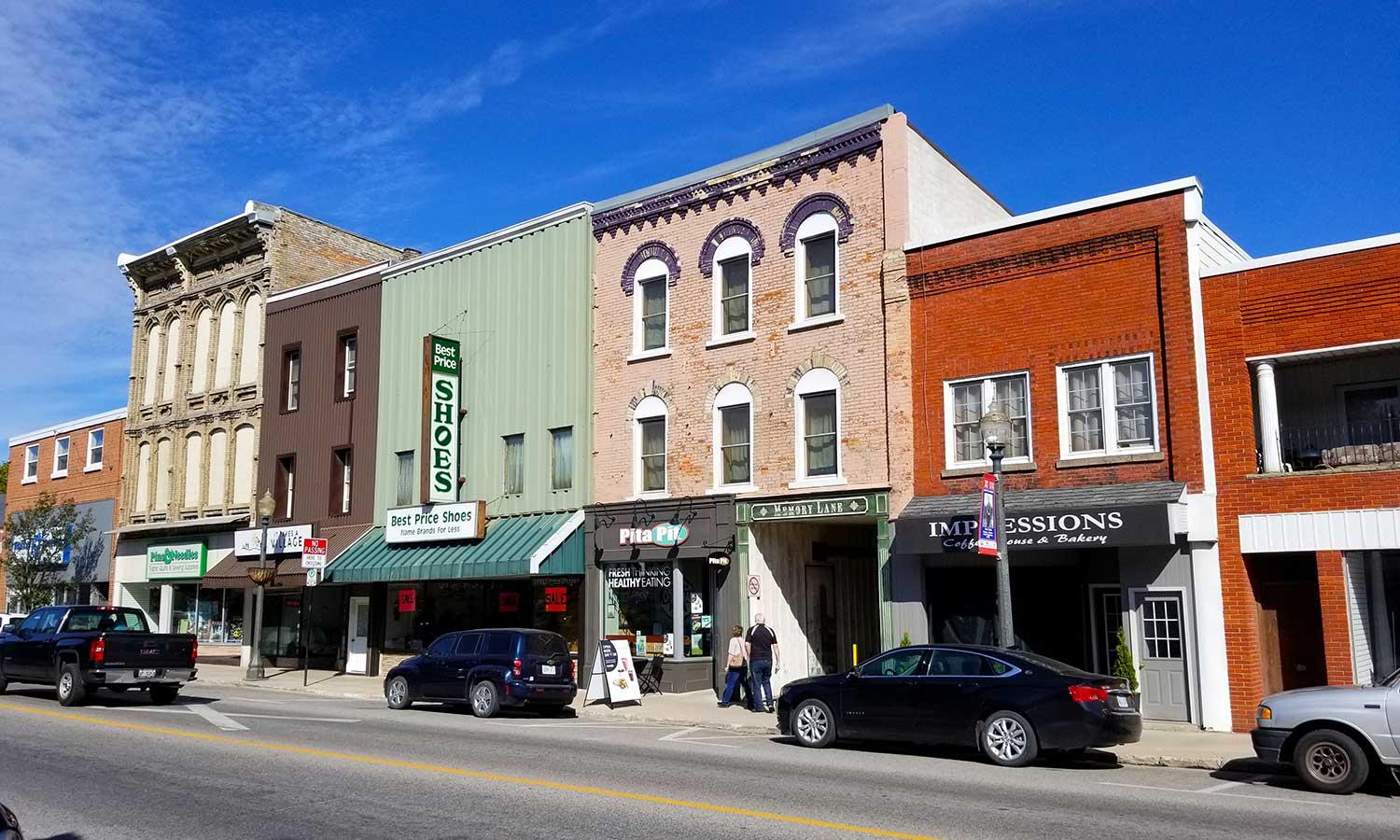
For standing buildings, rent-supported sales travel best as comparables. Perth County has a mix of owner-occupier and investor deals. Owner-occupier sales often reflect financing rates, buyer synergies, and replacement cost logic. Investor trades build cap rates from in-place income, lease terms, and rental reversion prospects. We try to separate those pools before adjusting, because merging them can blur the signal.
Cost approach and functional reality
The cost approach receives more weight for special-use or newer assets where depreciation is reasonably measurable. Emergency services buildings, modern cold storage, and medical clinics often see a material share of their value in improvements. Even then, Perth County quirks matter. If a building’s replacement would demand a service upgrade the municipality is not ready to provide, the cost approach can overshoot. Functional obsolescence is the quiet killer. A property with 14 foot clear and a patchwork loading dock may appraise below its apparent replacement cost simply because the next user will not pay for yesterday’s specs.
Working with commercial appraisal companies in Perth County
Local knowledge saves time. Commercial appraisal companies in Perth County spend their weeks calling municipal https://marcoikwv818.tearosediner.net/tax-appeals-101-using-commercial-property-assessments-in-perth-county planners, checking with conservation authorities, and reconciling rumors with permits. They also know where lenders set their comfort zones. Some lenders lean on national templates and prefer income approaches even for transitional assets. Others, often credit unions or lenders with regional mandates, cooperate on residual-based valuation when the development path is clear. The appraiser’s job is to assemble the evidence and translate local context into a format decision-makers recognize.
When clients ask about “commercial property assessment Perth County,” they sometimes mean municipal tax assessment. That is a related but separate world. Market value appraisals can inform assessment appeals, yet the standards and timing differ. If tax burden is material to a project, we model both the construction phase and stabilized assessment implications so operating expenses are not an afterthought.
Timing, phasing, and risk pricing
A small county can deliver big surprises on timelines. One project in West Perth reached draft plan conditions in under nine months because the applicant aligned closely with staff and front-loaded studies. Another, a kilometre away, took more than two years when a third-party watermain easement derailed. Appraisers cannot predict exact approvals timing, but we can price the risk band. We run scenarios on carrying costs at different durations, insert reasonable holdbacks in cash flows, and test loan-to-value thresholds under slower absorption.
Phasing strategy drives value more than many clients expect. Carving an industrial subdivision into too many small lots chokes returns if demand for smaller bays cools. Building a single large-bay facility first can leave you exposed if the anchor user falls through. We favor a program that matches observable demand, even if that means starting with a flexible multi-tenant shell that can be demised. The value conclusion, especially on land, tends to improve when the development program shows optionality without complicating approvals.
Environmental and agricultural adjacency
Perth County’s agricultural base is an asset and a constraint. A commercial site adjacent to active farming brings concerns about drainage patterns, trespass, and odour. Setbacks and right-to-farm considerations can shape layout. Soil management rules will touch you when you import or export topsoil. Phase I Environmental Site Assessments are standard, but old farm dumps or fuel storage near barns have tripped more than a few deals. Appraisers account for remediation allowances where risk is non-trivial, and we verify whether any Record of Site Condition might be required if sensitive uses are contemplated later.
Rents, cap rates, and the story behind the numbers
Investors like neat cap rate charts. In practice, Perth County cap rates travel within mid to high single digits depending on asset class, tenancy, and term. Newer industrial with strong covenants can push to the tighter end when buyers chase yield outside the big cities. Older retail with short terms or high rollover risk will sit wider. Office with medical or government tenancy narrows spreads. Standard ranges only orient you. The lease structure, expense recoveries, and who pays for capital items move the needle fast. NNN with a bonded tenant is a different beast from a gross lease with a local start-up.
Rents follow the same nuance. A walk-in clinic in Stratford with fit-for-purpose improvements may pay above what a general office use can support. An ag-supply tenant will drive different yard usage and truck traffic than a light manufacturing user, which matters to neighbors and councils. Appraisers read the lease, not just the rent number. Free rent periods, step-ups, and tenant improvement allowances work into effective rent, which is what income-based valuation cares about.
Examples from the field
A retailer sought a site for a modest 6 thousand square foot pad along a county road with good commuter traffic. The land price looked fair against three comparables. During diligence, we learned the site sat within a high groundwater area and would need under-slab depressurization and a thicker foundation to control buoyancy. The stormwater pond, once thought to be shared with the neighbor, was not. Development costs climbed by roughly 20 percent. Our residual land value dropped accordingly. The buyer pivoted to a slightly smaller site with a shared pond and a recorded agreement. Land value there was higher per acre, yet the residual worked because off-site costs were already sunk.
On a different file in St. Marys, a contractor purchased a dated 25 thousand square foot warehouse with 16 foot clear and a patched roof. The “commercial building appraisal Perth County” brief looked straightforward, but the lot’s rear depth allowed a second building if the owner rearranged parking and secure yard space. Zoning supported it. A severance was possible with modest conditions. We valued the going concern as-is using a blended income and sales comparison approach, then ran an as-repositioned scenario that included the second pad. The client used both conclusions in negotiations with their lender, who structured the facility to unlock additional capital once site plan for the second structure was in hand. The bank felt comfortable because the appraisal explained how value stepped up, not just where it might land.
Where lists help: common valuation methods, in practice
- Sales comparison for land and buildings, adjusted for services, access, and regulatory constraints Income capitalization and discounted cash flow for standing assets or build-to-hold strategies Residual land value analysis where development potential and timing drive returns Subdivision analysis for multi-lot industrial or commercial parks, with absorption pacing Cost approach for newer or special-purpose buildings where depreciation can be credibly measured
The right method gets the most weight, but cross-checks protect you from blind spots.
Choosing an appraiser who fits Perth County
Not all commercial appraisal companies in Perth County operate the same way. A lender-oriented report leans on standardized formats and clear covenant analysis. A developer-oriented one includes phasing options and layered scenarios. Ask whether the firm has appraised assets within the same municipality and dealt with the specific conservation authority on your file. Verify how they source construction cost data in a small market where a single contractor’s backlog can skew pricing. Good appraisers cite a range and explain it, rather than forcing a single-point comfort number that will not survive first contact with the building inspector.
Turnaround times vary with scope. A straightforward “commercial property assessment Perth County” for a stabilized asset might close within two weeks. A development-heavy land file with residual analysis, servicing review, and consultations can run three to five weeks, sometimes longer if we await clarity on a planning file. Clients help themselves by providing surveys, prior environmental reports, and any municipal correspondence up front. Surprises always cost time and, by extension, money.
The payoff: clarity before concrete
Appraisals earn their keep when they spare you a bad purchase or sharpen a good one. In a county where infrastructure, planning, and market depth each play outsized roles, valuation is a lens that turns vague potential into a sequenced plan. Whether you are engaging commercial building appraisers in Perth County to refinance a stabilized asset, or hiring commercial land appraisers in Perth County to unlock a site’s next life, expect a process that starts in the bylaws and ends with believable cash flows. That is how development potential becomes bankable.
If you work with the grain of local policy, adjust for the real costs of getting to occupancy, and pace your absorption to what the county can reasonably deliver, value follows. Appraisers do not build the roads or pour the slabs, but we can map the route with enough precision that when you do lay concrete, you are not guessing at the ground beneath.